Upcoming events
Event data: DATAtourisme (ADN Tourisme), Licence Ouverte 2.0. Last updated: .
Experience the Grand Est from Within: Roots, Memory, and Living Culture
Welcome to our interactive map, a tool designed for travelers looking to connect genuinely with the heart of the Grand Est region in France. Each marked point in this territory—spanning Alsace, Lorraine, Champagne, and the Vosges—represents an invitation to go beyond conventional routes, participating in the daily life of its communities.
Our goal is to bring you closer to the roots, trades, and encounters that define true local identity. By exploring this map, you have access to a curated selection of official events and living spaces that sustain the region’s economy and heritage, categorized to facilitate a conscious journey:
Flavors, Markets, and Terroir: This is an opportunity to discover the real work behind local products and regional gastronomy. It is possible to delve into wine culture through Alsace Rocks — La Tournée des Terroirs or by visiting the vineyards and cellars of Champagne J.M. Gobillard in Dizy. Culinary heritage comes alive when learning the history of the Bergamote de Nancy, exploring the historic Marché du Boulingrin in Reims, or celebrating agricultural and fruit traditions at the Fêtes de la Mirabelle in Metz. For a mountain immersion, the Repas du Bûcheron in Xonrupt-Longemer offers traditional Vosges food accompanied by local folklore.
Historical Heritage and Monumental Memory: The route proposes ways to interpret history through landscapes and architecture. You can understand the deep working-class and industrial memory of Lorraine at the Le Fer en Héritage(s) exhibition in the Abbaye des Prémontrés of Pont-à-Mousson. The map also guides you toward the medieval heritage of the Castles and Legends festival, which links ten Alsatian castles through narrative and legend, or to the Regalia multimedia night show, projected onto the monumental facades of the Cathedral and the Basilica of Saint-Remi in Reims.
Regional Languages and Resonant Traditions: The region is rich in oral and musical heritage. Initiatives like the Mir redde Platt festival in Sarreguemines celebrate the living transmission of the Francique lorrain language through popular culture. Likewise, the sonic heritage resonates in historic churches during the Stras’Orgues festival in Strasbourg, while the Pfifferdaj in Ribeauvillé keeps the historic brotherhood of minstrels alive, marking one of the oldest medieval traditions in Alsace.
Know-How, Crafts, and Rural Life: A window into the trades that shape the territory. Visitors can witness the return of the Vosges cows and cheese-making demonstrations at the Fête de la Transhumance in the Munster valley. To appreciate manual work, Les Journées des Tourneurs in Labaroche exhibit the traditional wood carving and craftsmanship of the Pays Welche, and large-scale events like the Foire de Châlons highlight the agricultural and rural economic fabric of the Champagne region.
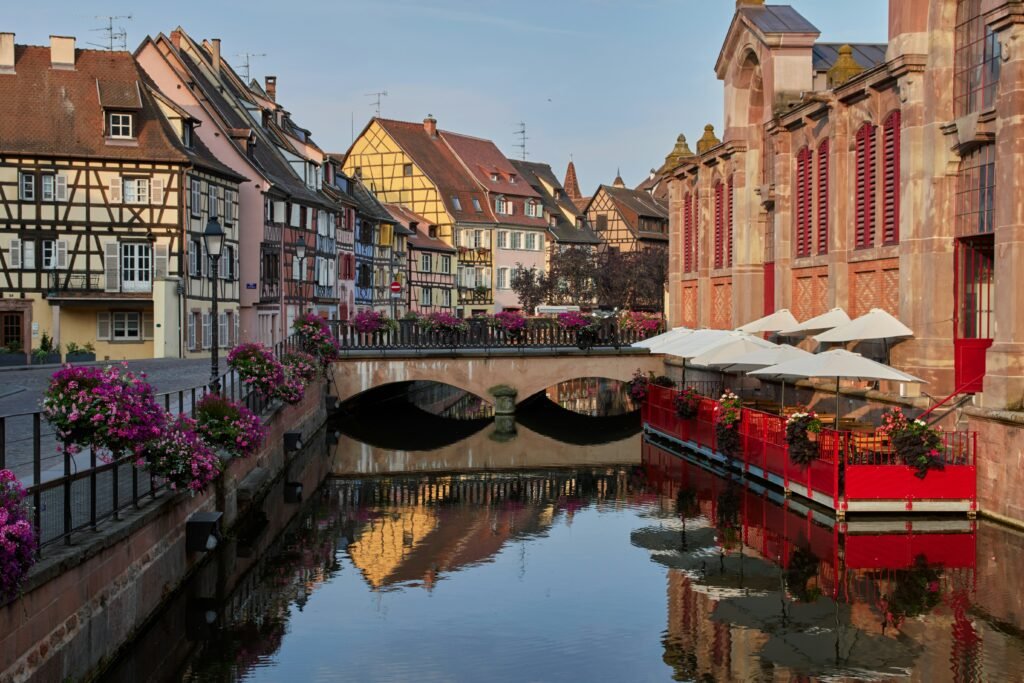
The Impact of Your Trip: Conscious Tourism
Navigating these routes and attending these gatherings means practicing tourism with a purpose. Presence in these places translates into direct and tangible economic support for winegrowers, farmers, artisans, and local creators. By placing value on their daily work, you contribute to guaranteeing the survival and transmission of these traditions to future generations. In return, the traveler heads home with much more than visual memories: they take away practical knowledge, a profound respect for the environment, and the real experience of the living identity of the Grand Est region.